Welcome to STEM for Her Day 2026

SCHEDULE & MAPS
MORNING SESSIONS
AFTERNOON CAREER PANELS
SPEAKERS
STEMINISTS
EVENT PARTNERS
EVENT SURVEYS
9:30AM - Arrivals
10:00AM - General Session: Welcome & Opening Remarks
10:35AM - Morning Sessions
11:30AM - Group 1: Discovery Zone with EXHIBITORS; Group 2: LUNCH with a STEMinist
12:15PM - Group 1: LUNCH with a STEMinist; Group 2: Discovery Zone with EXHIBITORS
1:05PM - Afternoon Career Panels
2:00PM- General SESSION: Voices of STEM (Panel) & Closing remarks
2:30PM - Departures
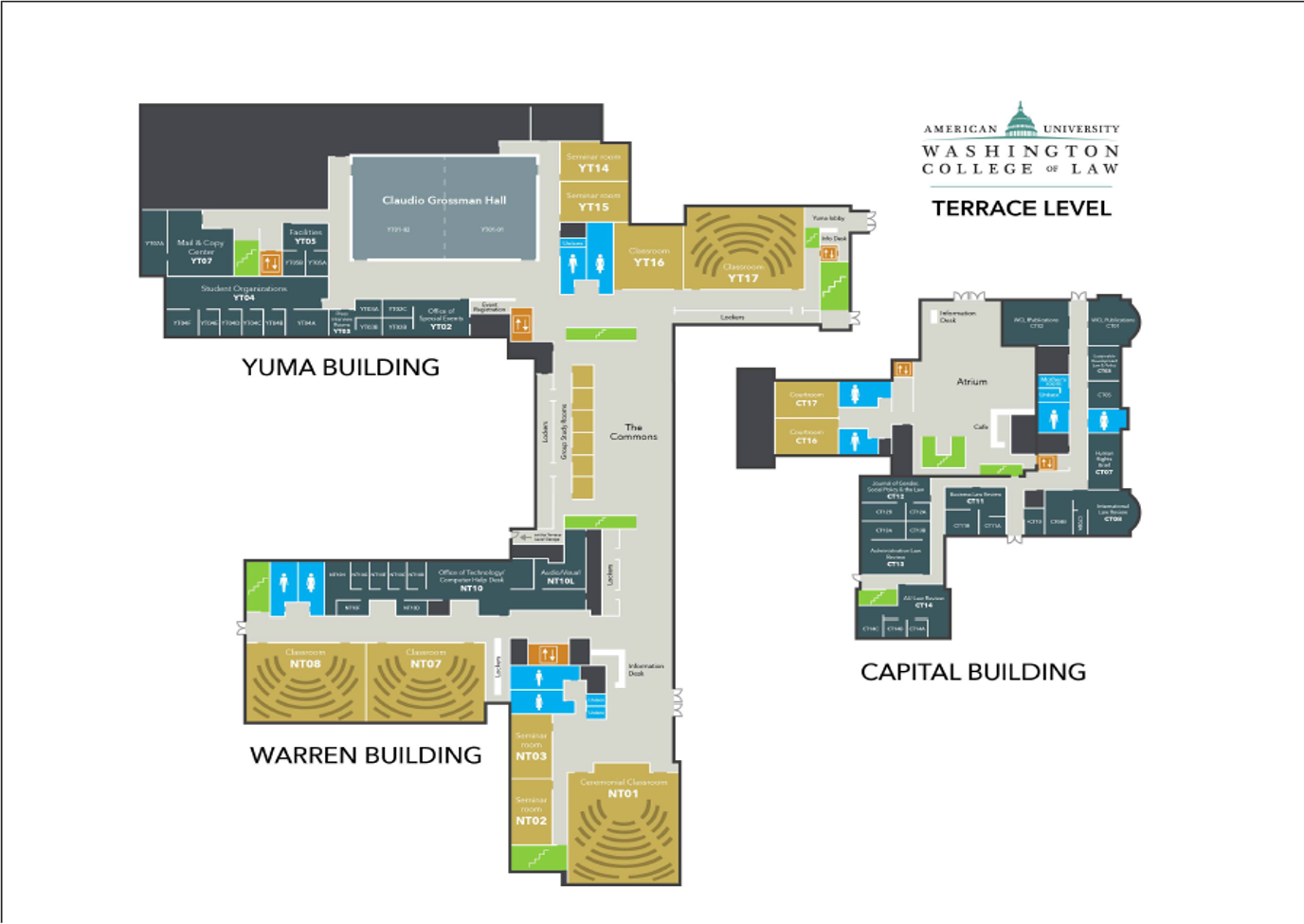
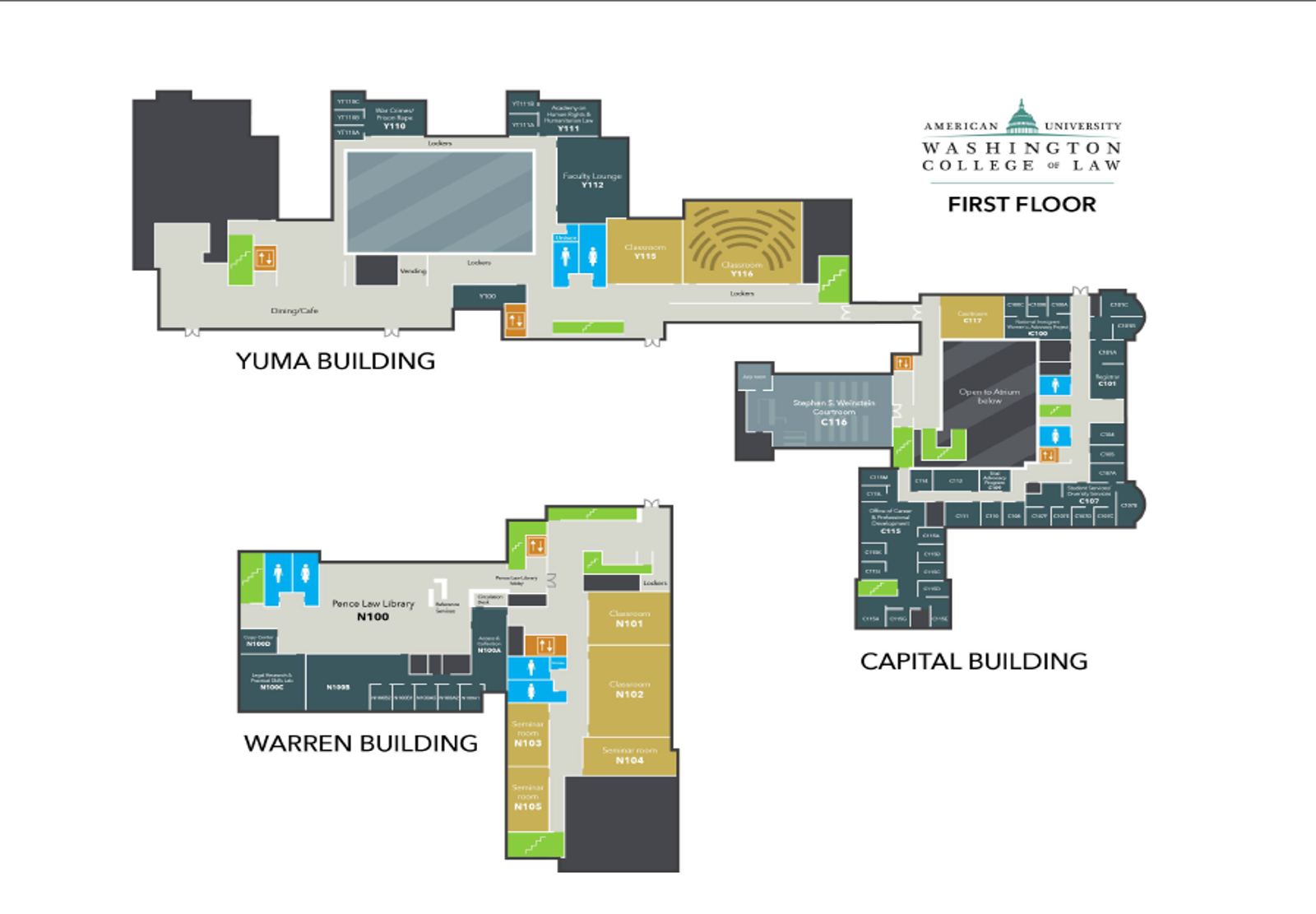
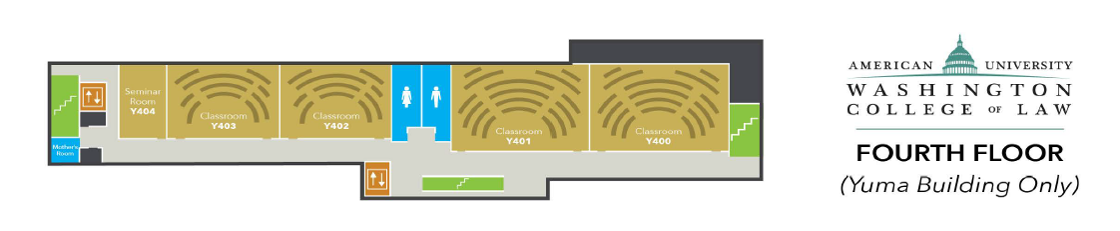
SCHEDULE AND MAPS
MORNING SESSIONS
Beyond Plastic: Growing the Sustainable Materials of Tomorrow
Plastic is everywhere, but what if the future of materials wasn't made of plastic at all? In light of current environmental crises, this session explores how we can move beyond plastic by designing with biomaterials: materials grown from living organisms that biodegrade naturally, instead of sitting in landfills for centuries. I will introduce some of the biomaterials my research lab develops , including algae-based bioplastics, mycelium biocomposites, bacterial dyes, microbial cellulose bioleathers, and 3D-printable bio-pastes made from food waste. Physical material samples will be passed around throughout the talk so students can see, touch, and ask questions about these biomaterials up close.
Beyond the materials themselves, this session digs into why they matter: biomaterials don't just create less waste, they shift the whole design process. Designing with biomaterials means asking new questions: What ecologies do our raw materials come from? Who are we designing for and with? And how long should something actually last before it breaks down? Students will engage in interactive prompts and brainstorming activities to think through these questions and imagine what sustainable materials could look like in their own lives. This session isn't just about learning what biomaterials are, it's about planting the seed to grow the materials of tomorrow.
Psychiatry as a Latina in the US
Medicine can be a daunting career choice, especially for women, and more so from a Latin American background. If you add Psychiatry on top, well then... that's a whole other ballgame. But when I discovered Psychiatry, and specifically Child and Adolescent Psychiatry, I found a path that has been fun, fulfilling, diverse and welcoming. Our field has so many areas of study where one can combine varied interests in one's life and find work/life balance and gratification. Through a series of videos, I want to present some of the many alternatives that Mental Health as a career has offered me: The Psychiatry of Every Day Life, and hope to dispel some of the myths and stereotypes that I've encountered throughout my career.
DNA Detectives: How Scientists Find Invisible Pathogens
I would like to introduce students to the way molecular scientists use DNA and qPCR to determine whether a sample contains a virus, bacterium, or other microorganism, and how this type of lab work helps create medicines, therapies, vaccines, etc. From my 5 years of experience working as an Associate Scientist 2 in the Molecular Department of MillporeSigma/BioReliance, I have real experience I can share, especially for students who are interested in Biology/Biotechnology but don't know exactly which path to take or might not know exactly the real world contributions that working in a lab could do. I would talk about what DNA is and why every organism has a unique genetic “fingerprint”, how scientists extract DNA from a sample, how PCR makes millions of copies of a specific DNA sequence, how a positive or negative result is determined, why accuracy, documentation, and quality control are critical, and what molecular scientists actually do during a typical workday.
Smart Cable Guard
BGE uses Smart cable Guard which is a new technology to detect faults before they happen using Partial discharge activity and pinpoint potential failure location.
Designing for Disaster: Structural Engineering and Earthquake-Resistant Design
Are you interested in natural disaster preparedness? Want to understand how buildings stand up? In this hands-on session, girls will have the opportunity to design, model, and test their own earthquake-resistant structures.
We’ll introduce girls STEM careers in the built environment such as structural engineering, and go over some basic concepts of resilient design. After a short overview of some building techniques, girls will apply what they’ve learned to prototype their own structures! Working in small teams, girls will spend the majority of the session building a prototype of an earthquake-resistant structure. Finally, we will test the model structures on a shake table to see if they can withstand a simulated earthquake! At the end of this session, girls will leave with a new understanding of the work of an engineer and a readiness to make their own contributions to the world we design and build.
Develop your own "Jarvis" AI Chief of Staff Assistant
Demo to show students how they can create their own personal AI chief of staff
The Hidden Journey of Water
Using a series of hands-on demonstrations, this session takes a closer look at the water cycle to provide an overview of wastewater and drinking water processes and their role in protecting public health, supporting environmental sustainability, and addressing many emerging challenges. The presentation will also explore how advances in water treatment and reuse are helping communities develop sustainable water supplies for the future. Audience members can look forward to a better understanding of how science and engineering careers play a role in the sustainability of water and life on our planet.
Genetic Counseling for Hereditary Cancer Syndromes
Will review the training and certification process to become a genetic counselor, types of jobs genetic counselors can have, and then review the specifics surrounding cancer genetic counseling including taking a family history, ordering appropriate testing and providing necessary risk management.
“Pores, Pathways, and Power: Explore the Energy Beneath Your Feet with the U.S. Department of Energy”
Few Americans realize how vital subsurface science and engineering are to our energy abundance and security, largely because these fields remain out of sight. While people easily visualize careers in medicine, software, or aerospace due to daily exposure, they rarely see the wide range of careers in energy production.
The U.S. Department of Energy's (DOE) Hydrocarbons and Geothermal Energy Office (HGEO) will bring a suite of hands-on demonstrations that will illustrate to students how fluids move through real materials, instilling the visualized connection between geology, engineering, and subsurface energy production. These demonstrations will focus on two key concepts that govern the extraction of oil, natural gas, and geothermal heat from the subsurface: porosity and permeability.
During the session, students will work in small groups and progress through three stages:
1. Overview Presentation (5-minutes): A brief introduction to core geology concepts, including rock types, energy resources, porosity and permeability.
2. Rotational Stations: Groups rotate through three hands-on demonstrations. Within each group, students assume specific roles – such as Data Analyst, Geologist, Flow Engineer, or Core Handler – to ensure active individual participation.
3. Final Challenge: Groups apply what they’ve learned to solve an engineering problem and make data-driven decisions.
The Data Behind Every Bite: Data Driven Decisions at Monumental Sports
Learn about how Food and Beverage data is leveraged across different departments of Monumental Sports and the types of decisions it can impact.
** A laptop, chromebook, tablet, or cell phone is required to attend this session.
AFTERNOON CAREER PANELS
Are you ready to take charge of your future and land your dream job or get into the college of your choice?
The path to success starts now, and it’s more than just good grades. Employers and colleges want to know more about you—and that’s where background checks and vetting come in. Join Tiffany Hoston, SAIC Systems Engineer Manager with over 20 years of experience in the cleared community, for an exclusive seminar designed just for you! Learn how to make smart choices, manage your digital footprint, and build a stellar personal brand that will pass any test employers and admissions officers throw your way. You’ll get insider tips on: What employers are REALLY looking for, how to avoid common mistakes that could hurt your future, and ways to stand out in a competetive world with confidence and character.
Beyond the materials themselves, this session digs into why they matter: biomaterials don't just create less waste, they shift the whole design process. Designing with biomaterials means asking new questions: What ecologies do our raw materials come from? Who are we designing for and with? And how long should something actually last before it breaks down? Students will engage in interactive prompts and brainstorming activities to think through these questions and imagine what sustainable materials could look like in their own lives. This session isn't just about learning what biomaterials are, it's about planting the seed to grow the materials of tomorrow.
STEM Who?!: Career Edition
This engaging 50-minute interactive breakout session invites high school girls to discover the people and careers that help science create real-world impact through STEM Who: Career Edition, a live career discovery game presented by the African Heritage Business Resource Group (AHBRG and Washington D.C. Community Action Council (CAC) of Thermo Fisher Scientific.
Inspired by the familiar process of asking questions and eliminating possibilities, students will work in small teams to uncover the career identities of STEM and STEM-adjacent professionals in the room. Each professional becomes a live “STEM Who?!” character representing a different career pathway from research science, engineering, data and technology, and public health to regulatory affairs, science policy, communications, and community impact.
Students will use strategic questions, clues, and teamwork to narrow the possibilities and determine Who is STEM Who?!. Along the way, they will discover what these professionals do, the skills they use, how their careers connect to science, and the impact their work has on people and communities.
The experience concludes with a live career reveal and brief discussion with the participating professionals, giving students an opportunity to hear about different pathways into STEM and learn how interests such as problem-solving, creativity, communication, technology, leadership, and curiosity can translate into meaningful careers.
Thermo Fisher Scientific’s mission is to enable our customers to make the world healthier, cleaner, and safer. STEM Who brings that mission to life by showing students that creating scientific impact takes many different people, skills, and career pathways.
Beyond the materials themselves, this session digs into why they matter: biomaterials don't just create less waste, they shift the whole design process. Designing with biomaterials means asking new questions: What ecologies do our raw materials come from? Who are we designing for and with? And how long should something actually last before it breaks down? Students will engage in interactive prompts and brainstorming activities to think through these questions and imagine what sustainable materials could look like in their own lives. This session isn't just about learning what biomaterials are, it's about planting the seed to grow the materials of tomorrow.
Steel Toes and Stilettos: An Introduction to the World of Construction
A fun and exciting session introducing girls to career opportunities in construction, ranging from project engineer or field engineer to Virtual Design & Construction (VDC/BIM). Learn about a day in the life of a construction manager, explore the diverse types of projects you can build, and discover the many pathways after high school that can lead you there!
Careers in Health Sciences
Describe the item or answer the question so that site visitors who are interested get more information. You can emphasize this text with bullets, italics or bold, and add links.Powering Tomorrow: Careers in Energy & Innovation
Describe the item or answer the question so that site visitors who are interested get more information. You can emphasize this text with bullets, italics or bold, and add links.Computing and Digital Infrastructure
Describe the item or answer the question so that site visitors who are interested get more information. You can emphasize this text with bullets, italics or bold, and add links.
SPEAKERS
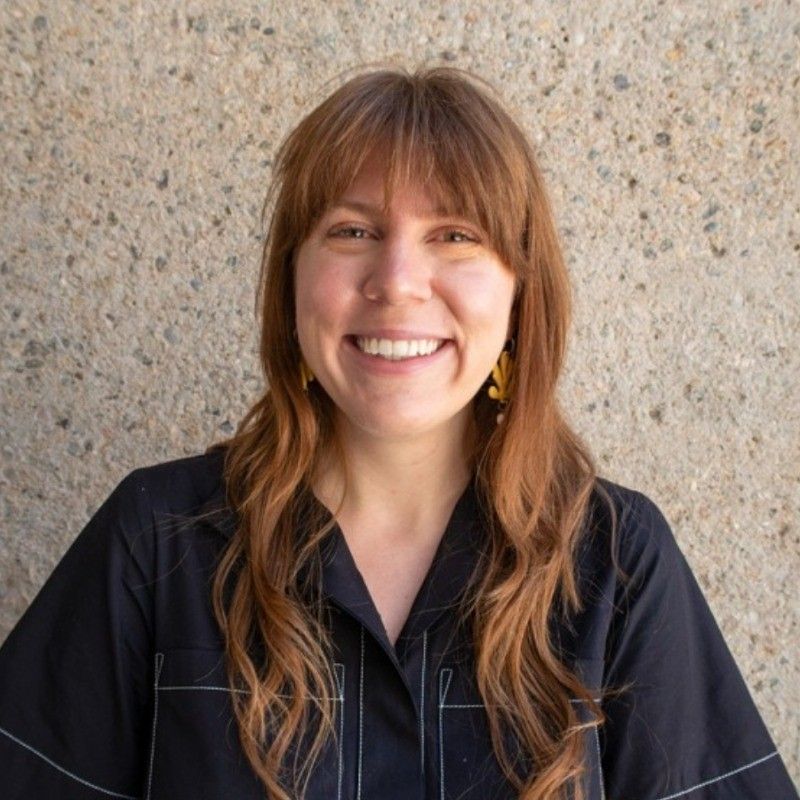
Fiona Bell
Assistant Professor, UMBC Department of Information Systems

Alejandra Wortman
Psychiatrist
Adjunct Clinical Assistant Professor, Thomas Jefferson U., Sidney Kimmel Medical College
Lecturer, U. Pennsylvania

Paola Marquez-Rios
Associate Scientist II in Molecular Biology, MilliporeSigma
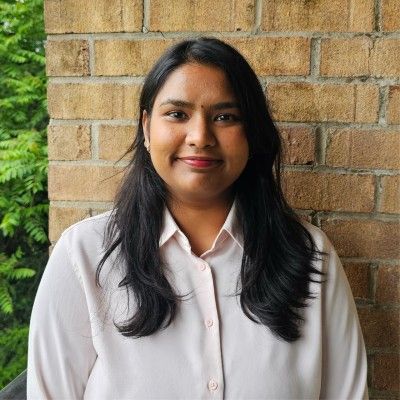
Bhavanaraj Gudiguntla
Engineer - Emerging Grid Technologies, Baltimore Gas and Electric
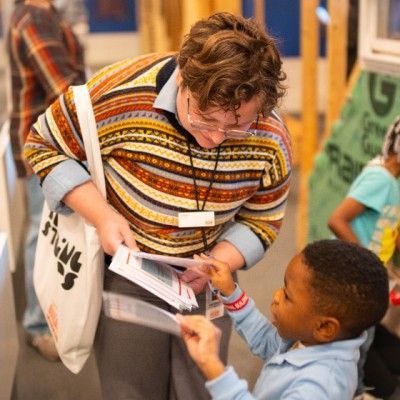
Arthur Robertson
Educator, National Building Museum

Courtney Maatta
Senior Customer Solutions Manager, AWS

Rayette Toles-Abdullah
Principal Solutions Architect, AWS
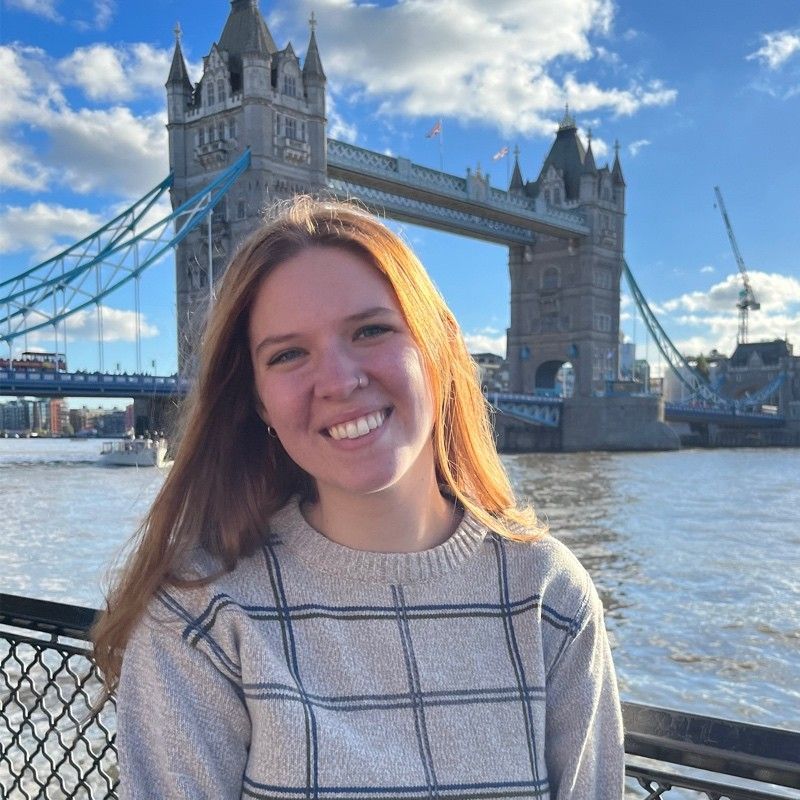
Mia McClinchie
Wastewater Engineer, GHD
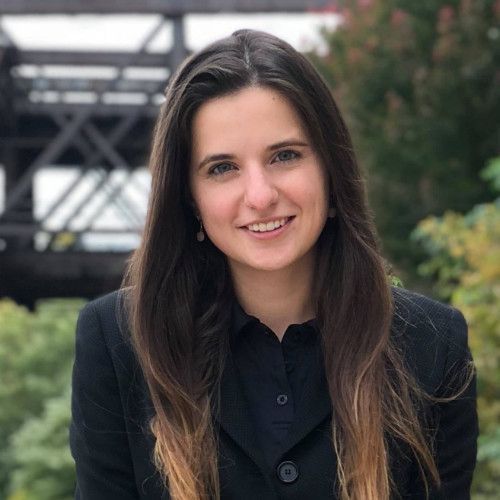
Patricia Dubyoski
Project Engineer, GHD

Monique Lubaton
Genetic Counselor, INOVA Health

Caleb Woodall
Program Manager, U.S. Department of Energy

Mary-Ellen Kwong
Management and Program Analyst, U.S. Department of Energy
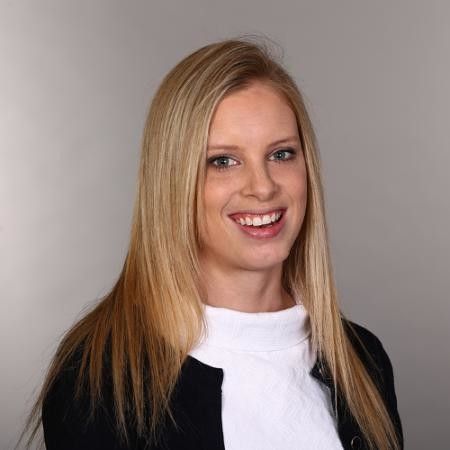
Leah Royer
VP, Database Marketing, Monumental Sports & Entertainment

Tiffany Hoston
Principal Senior Systems Engineer, SAIC

Marciela DeGrace
Senior Director, External Scientific Engagement, AstraZeneca
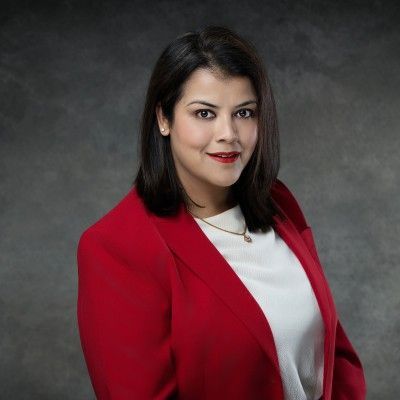
Rakita Dhar
Chief Strategy Officer, Nextrove, LLC

Amy Chiang
Chief Corporate Affairs and Strategy Officer, Topsoe

Jennifer Wade
Director, Division of Regulation, U.S. Department of Energy
Ankita Lamba
Engineering Manager, Sonatype

Marshae Mansfield
VP and General Manager, Global Accounts, Lenovo
Karen Yang
Senior TPM, Akamai
STEMINISTS
EVENT PARTNERS










EVENT SURVEYS